Sherry Explained: Fino, Manzanilla, Amontillado, Oloroso and PX (with Food)
What sherry really is, the difference between fino, manzanilla, amontillado, oloroso and Pedro Ximénez, how to serve each and what to eat with it.
Heads up: this guide contains affiliate links. If you buy through them we may earn a small commission, at no extra cost to you. We don't accept free products or paid placements. How we choose products.
Sherry is a fortified wine from the Sherry Triangle in Andalusia — Jerez de la Frontera, El Puerto de Santa María and Sanlúcar de Barrameda — made mostly from Palomino grapes. Fino, the driest style, is pale and light, aged under a natural layer of yeast called flor, and served chilled.
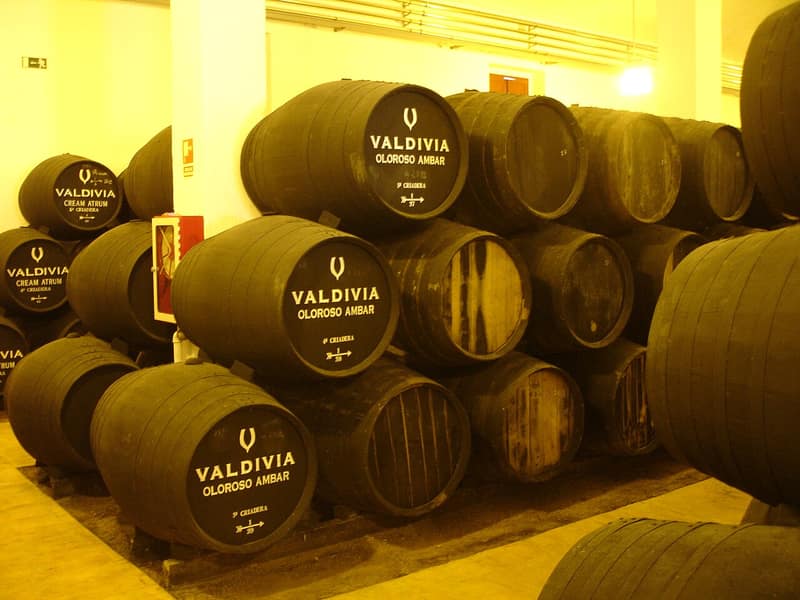
Forget the dusty bottle of sweet “sherry” at the back of the cupboard. In Andalusia, sherry (vino de Jerez) is mostly bone dry, served cold in small glasses, and drunk with food — above all with ibérico ham. It’s also one of the best-value great wines in the world.
What makes sherry different
- Where: only in the “sherry triangle” of Jerez de la Frontera, El Puerto de Santa María and Sanlúcar de Barrameda, in Cádiz.
- Grapes: mostly Palomino for dry styles; Pedro Ximénez or Moscatel for sweet ones.
- Fortified: a little grape spirit is added, so it’s stronger than table wine (around 15% for fino, more for oloroso).
- The solera: wines age in rows of barrels, and younger wine is blended into older wine over the years. That’s why most sherry has no vintage — and tastes the same every year.
- Flor: in fino and manzanilla, a layer of natural yeast grows on the wine’s surface in the barrel and protects it from air. It gives the salty, almond-like taste no other wine has.
The styles, from driest to sweetest
| Style | How it’s made | Tastes like | Serve | Eat with |
|---|---|---|---|---|
| Manzanilla | Under flor, in Sanlúcar by the sea | Very dry, light, saline | Very cold | Seafood, tins, fried fish |
| Fino | Under flor, in Jerez or El Puerto | Very dry, almond, crisp | Very cold | Ibérico ham, almonds, olives |
| Amontillado | Starts as fino, then ages with air | Dry, hazelnut, amber | Cool | Aged Manchego, consommé, mushrooms |
| Palo Cortado | A rare style between amontillado and oloroso | Dry, elegant, complex | Cool | Cured meats, hard cheese |
| Oloroso | Aged with air, no flor | Dry, walnut, rich | Cool | Red meat, stews, aged cheese |
| Cream | Oloroso sweetened | Medium-sweet | Over ice | Dessert, or as an aperitif |
| Pedro Ximénez | Sun-dried PX grapes | Very sweet: raisin, fig, coffee | Cool | Blue cheese, over ice cream |
Fino and ibérico ham: the perfect pair
A cold fino or manzanilla cleans the palate after each slice: its salty, nutty dryness makes the fat of the ham taste even sweeter. It’s the pairing you’ll see on every bar counter in Seville and Jerez.
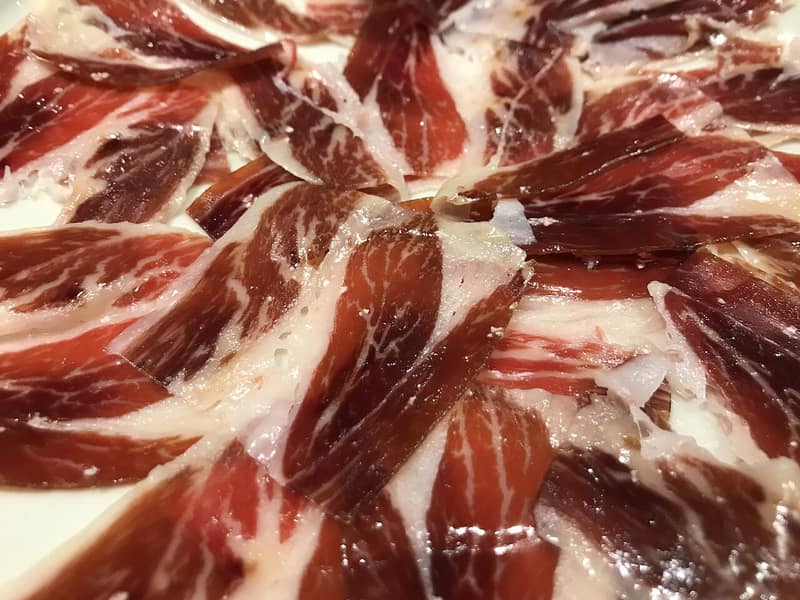

Cinco Jotas Hand-Carved Jamón Ibérico de Bellota (3 oz)
Cinco Jotas (5J) · Jabugo, Huelva · Pre-sliced, hand-carved style, vacuum pack
The benchmark most Spaniards would name first. Jabugo style: intense, long, savory. Buy it when you want the 'this is why people rave about it' moment — not for a big party.
Why we like it
- The reference brand in Spain
- Hand-carved style slices
- Intense Jabugo flavor
Keep in mind
- Premium price for 3 oz
- Too strong for some first-timers
Best for: A first taste of the top tier, a special gift
Price and availability on Amazon.com
→ What real ibérico ham tastes like
Amontillado with Manchego
The nutty notes of an amontillado and a well-aged Manchego mirror each other. Try it once and it becomes a habit.
Manchego D.O.P. 12 months aged, 2 wedges (1 lb total)
Casa Mayor · La Mancha · 2 vacuum-sealed wedges
Twelve months gives Manchego its nutty, caramel depth and a crumbly bite. The version to serve if you want people to ask 'which cheese is this?'.
Why we like it
- PDO: real Manchega sheep milk
- Two wedges: open one at a time
Keep in mind
- Too firm for sandwiches
Pedro Ximénez with blue cheese
The sweetest wine in Spain with one of its strongest cheeses: Cabrales and a small glass of PX is a classic Asturian-Andalusian finish to a meal.
Cabrales D.O.P. blue cheese (1 lb)
Cabrales · Picos de Europa, Asturias · 1 lb piece
Spain's great blue: cave-aged in the mountains of Asturias, powerful and spicy. For blue-cheese lovers only — and wonderful with sweet sherry.
Why we like it
- Unique cave-aged blue
Keep in mind
- Very strong
- Keep well wrapped: it perfumes the fridge
How to serve sherry
- Fino and manzanilla very cold (from the fridge), in a small white-wine glass rather than the tiny traditional copita if you want to smell it.
- Once open, fino and manzanilla fade like white wine: keep them in the fridge and finish within a few days. Amontillado and oloroso last a few weeks; PX longer.
- Small pours. It’s stronger than wine.
→ More pairings: what to drink with Spanish food
Please drink responsibly. You must be 21 or older to buy alcohol in the US.
Sources: Consejo Regulador Jerez-Xérès-Sherry